

Contents
Matt Pound, who was political director in the Treasury under Reeves, says Healey must show he’s in control by doing what’s difficult.
LONDON — Andy Burnham’s “hope again” pitch is about to meet its first big test — the budget.
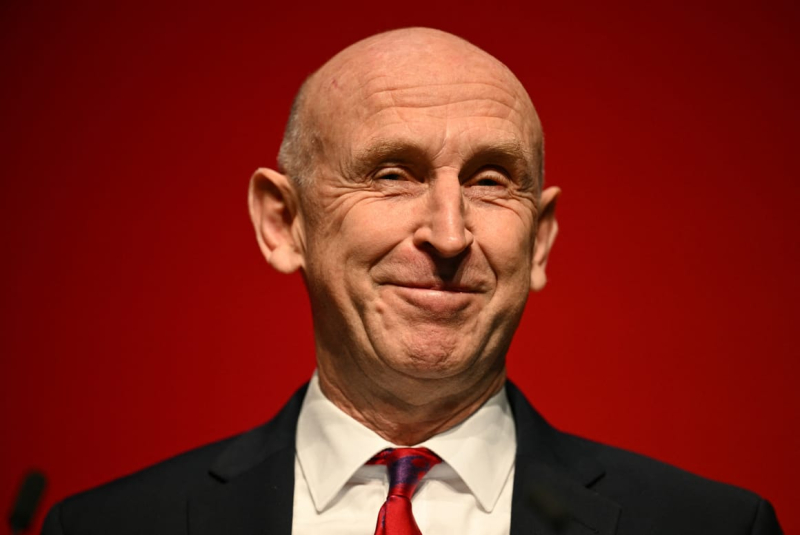
Chancellor John Healey makes his budget debut Wednesday, with Labour enjoying a modest poll bounce since the new PM moved into No. 10 Downing Street in July.
Healey’s predecessor, Rachel Reeves, knows all too well the difficulty he faces in keeping the political honeymoon alive while tackling rising inflation, a mountain of national debt and soaring borrowing costs.
One of her closest advisers, Matt Pound, gave POLITICO’s Westminster Insider podcast his five lessons for Healey as he prepares to set out his tax and spending plans next week.
1. Do what’s difficult
“My advice is [to] grasp the nettle and do what’s difficult,” Pound says.
His former boss took on a “tremendous amount of both personal and professional criticism” for doing “very tough things” in her first budgets, he says — but insists she was right to act.
Pound points to the better-than-expected growth rates in recent months, and says Reeves’ choices — which included increasing employers’ national insurance contributions — were justified.
“Ultimately, I believe those were the right things to do to set the country on the right course.”
The ex-political adviser acknowledges the difficulty of reconciling Burnham’s upbeat political pitch with the country’s stubborn economic constraints.
“I think he has a challenge which is to match this kind of hopey-changey message with the realities of where we are.”
2. Reassure the markets
With Britain already spending heavily on debt interest, Pound says it’s vital Healey reassures investors.
The bond markets should not be seen as “some evil spirit that comes back to haunt you if you get things wrong,” Pound warns. “It’s like real people with a stake in the economy who have often invested huge amounts of money in the success of the U.K.”
“If it starts to look like you can’t pay your debts and you can’t pay your bills then things get a lot worse very, very quickly as some other recent prime ministers have shown.”
But Pound reckons the row over Burnham’s pre-No. 10 musing that Britain should not be “in hock” to the bond markets was overblown.
“I don’t think it was a big thought out economic policy. I think it was probably a bit of a response to the fact that there were many members of the [Parliamentary Labour Party] who were either personally unhappy or didn’t understand that we were under significant financial pressure and were sick of Rachel talking about the financial markets.”
3. Get the PM involved
Pound is positive about Burnham’s push for a stronger hand in economic policymaking.
“It’s for the prime minister to bring that sense of purpose,” he says.
The PM is “completely within his rights to have more of a say over the economic policies of his government” and “to push the Treasury to do the things that he wants them to do.”
“No one exists in isolation. I actually think one of the problems in Whitehall is that it is a little bit sort of disparate and the departments do end up fighting with each other. Rather than kind of being unified around a sense of purpose,” he says.
4. Keep a lid on leaks
Healey already appears to be heeding this advice amid reports he has military-style security measures in place to prevent leaks.
“I feel they’ve done quite a good job and keeping it quite tight this time round,” Pound says. “I think it’s been noticeable. And I think that’s definitely a vast improvement and one that’s quite welcome.”
Pound’s own team was “plagued” by unhelpful leaks and briefings. A Financial Times report ahead of the November 2025 budget that Reeves had abandoned plans to raise income tax prompted a sell-off in government bonds as investors questioned how she would balance the books.
5. Avoid U-turns
Pound says it is crucial to show voters that the government is actively making choices — even if the economic headwinds are beyond its control.
“If you just talk about the kind of negative external effects, people will very quickly conclude you’re not really in control,” he says.
He points to rows over welfare and winter fuel payments under the last administration — policies he admits they failed to make a sufficiently positive case for. It’s hard to recover a sense of control if you have to backtrack, he warns.
“I think that one U-turn is probably too many … it gets harder to hold the line next time.”
Find the full episode of Westminster Insider “Who really writes the Budget?” here .