

Veteran anti-EU campaigners are firing up to challenge the U.K. prime minister’s bid to forge new ties with the bloc — and trying to get over some historical rivalries.
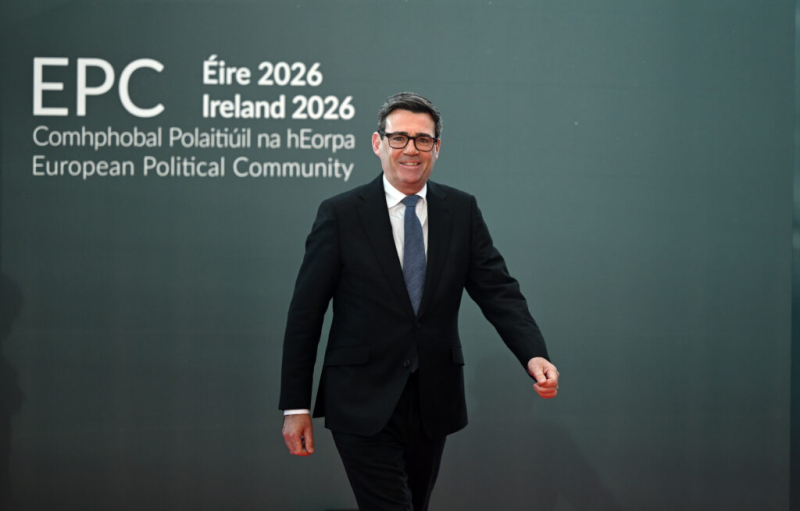
LONDON — Andy Burnham has given British progressives some hope as he reignites the debate over the U.K.’s relationship with the European Union. But he’s also handed a new lease of life to veteran Brexiteers.
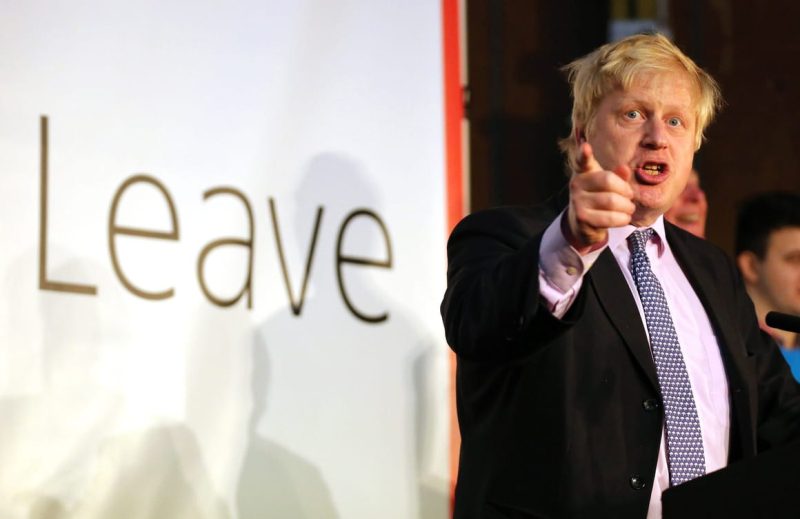
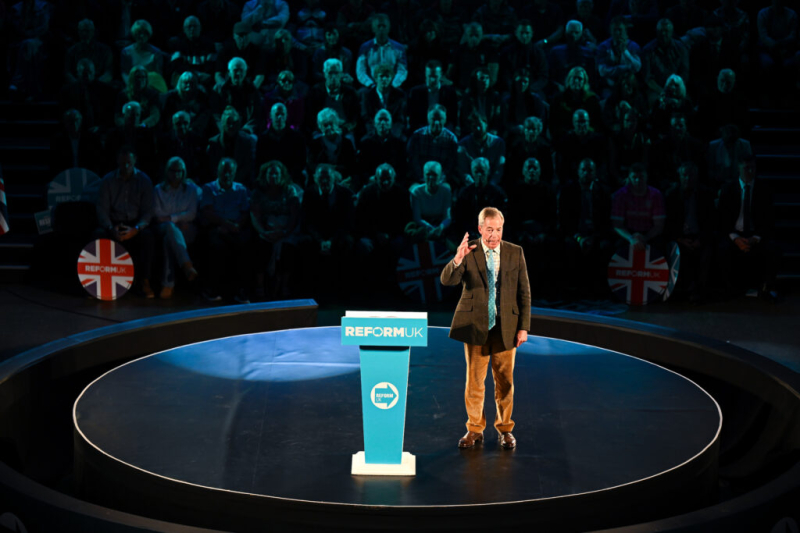
Boris Johnson is threatening a return from the political wilderness, while Nigel Farage reckons the U.K. prime minister has gifted him the “biggest boost to my career.”
Old faces from the 2016’s rival Leave campaigns are already reviving familiar battle lines, preparing bold financial claims fit for the side of a red bus — and sending up flares over the hot-button issue of migration.
Their pro-EU counterparts have proved slower out the traps, but they are discussing their next steps and watching nervously as Burnham appears to already be tempering expectations of what he can achieve.
One thing EU Rejoiners are clear on is that they won’t be dusting off the berets and gold star flags of 2016. They are using a familiar progressive playbook, and emphasizing how closer ties could ease cost-of-living pressures on Brits.
Where the campaigns go next rests largely with Burnham, and on just how far he decides to go in his rekindling of the European flame after Friday’s upcoming EU-U.K. summit in Brussels.
Old kids on the bloc
Eurosceptic campaigners — like in 2016, both competing and complementary — are already getting to work trying to convince Britons they don’t want to be back in the EU.
A new look “Vote Leave” outfit was the first to fire up, with former Brexit negotiator Oliver Lewis launching “Stay Out” — with the backing of Conservative former Cabinet minister Michael Gove.
The Leave.EU campaign co-founded by Nigel Farage ally Arron Banks — who once branded his allies the “bad boys of Brexit” — is re-emerging as “Enough Official.” Its opening offer is a hardline video on immigration.
It speaks to the ongoing divisions in right-wing politics in the U.K., with Enough Official expected to attract support associated with Farage’s Reform UK, while Stay Out boasts ties to the Tories.
What’s bigger than £350 million?
Stay Out launched with an even bigger number to rival the hotly-disputed £350 million annual cost of Britain’s EU membership it plastered on a red campaign bus during the 2016 referendum.
It’s now training its sights on a £750 million a week “gross” contribution to the EU that the pressure group is estimating the U.K. would have to foot if it rejoined — glossing over any of the subsidies or economic benefits Britain could receive in return.
In 2016, Brexiteers stoked immigration concerns with the claim that Turkey would be joining the EU. A decade on, it’s still nowhere near becoming a member country — but Stay Out is arguing that Albania and other countries in the Western Balkans are now the candidates to watch.
Lewis hinted to POLITICO that buses could once again be deployed to ram home the figure. “Over the coming weeks and months we will be pushing our message out through every channel we can,” he said.
He denied that there would be any friction between his camp and Enough Official — and downplayed that big differences in opinion on Brexit between the Conservatives and Reform would trouble them either.
Lewis, under the leadership of Britain’s chief negotiator David Frost, helped seal Boris Johnson’s Brexit deal after years of tortured negotiations. But Farage and other Reform figures are highly critical of that agreement — and have long pushed for an even harder break from the EU.
“What unites us is the belief that handing over control of our democracy to an unelected, unaccountable institution based in Brussels is a disaster and unacceptable. And along those lines there’s huge consensus,” Lewis said.
“And I think a lot of people are willing to work together to put aside differences and go, no, we believe in democracy, we believe in our right to hold different opinions.”
Leave.EUs’ Andy Wigmore — another longstanding Farage ally — has similarly issued a collaborative message, telling the Telegraph there will be “no split camps this time.”
But there’s also the potential for historic differences within the camps themselves to flare up again, considering the bumpy trajectories of some of their leading figures in the years since the Brexit vote.
Boris Johnson and Dominic Cummings, his powerful but controversial chief of staff when in government, were both crucial figures in Vote Leave. Johnson served as the Brexit campaign’s most popular public face and Cummings as its behind-the-scenes campaign director.
But the bad blood between them couldn’t be much worse since their spell in No. 10 ended in tears.
“It’s definitely not as simple as getting the old band back together for Vote Leave,” said one Downing Street official who served under Johnson. “This time I would expect it to be even more fractious given all the fallings out since then, especially with people like Dom. Already difficult back in those days, he’s seen as a prize dick by even more people now.”
Lewis told POLITICO that Cummings was consulted ahead of the group’s formation — but was adamant he wouldn’t have a role in their campaign going forward.
“Dominic is not involved with the campaign at all,” he said. “We did go out and talk to a whole group of people before we launched, Dom was one of the people we did briefly speak to but no, not involved in any part of the organization.” Cummings did not respond to a request for comment.
Johnson, who has had only a limited role in U.K. politics since he was forced out as prime minister, told the Telegraph at the weekend that Burnham will “impale himself and his party” by making Brexit his priority.
A person familiar with Johnson’s thinking, granted anonymity like others in this article to speak frankly, said it was “too early to say” whether the EU debate will provoke him back into frontline politics, but they added: “I think he is going to become increasingly vocal as this issue ramps up.”
The tables turn
If the voices of the original Brexit campaign want to relitigate the past, the would-be Rejoiners are eager to make it all about financial impact this time around. It’s now the pro-EU side who are fighting against the status quo and the Brexiteers defending it.
One prominent member in the EU Rejoin movement praised Burnham for “talking about patriotism, control and pragmatism — rather than beret and gold star flag stuff.”
It is a point many advocates of restored ties with Europe are eager to make now, in a world in which Russia has imperiled European security and the United States has disrupted global trade.
As one British government official put it, they need to make the “economical argument” for whatever next steps the U.K. takes. They suggested they are relishing the euroskeptic camp’s focus on its own figures. “If they want to remind people of all that go for it,” they said of the 2016 debate. “People know just how much Brexit has cost them.”
Burnham has largely been making it an economic argument himself, as well as one about being able to shore up Britain’s borders with greater EU cooperation.
Denying a “toxic debate” has been unleashed by his decision to start talking about Brexit again, he told Sky News Monday that better relations would lead to “lower food costs, more collaboration, tackling immigration, lower energy costs.”
But with specifics still in short supply, Labour-linked think tanks are working on possible alternatives for future relations.
One of them, the Good Growth Foundation, is working on an option for European ties that would plot a path somewhere in the middle between rejoining the bloc and the status quo.
Though likely not ready for publication before January, it would also highlight the political dangers of Britain becoming a rule-taker without a seat at the European table.
Then there are the groups who have been making the pro-EU case ever since the referendum.
Best for Britain’s Naomi Smith said: “For years I’ve been made to feel like that last Japanese soldier fighting after World War II in the Philippine jungle. Now the battle is back.”
The pressure group hopes to expand from its 14 staff next year. While Best for Britain boasts influence in showing its polling and reports to Downing Street as well as pro-EU parties, it acknowledges its financial firepower falls way short of that possessed by Reform or its allies. “We’re turning up to a gun fight with a water pistol,” Smith said.