

The investment will be used to grow the engineering team and further develop Auxilius’ Control Intelligence knowledge graph, linking risks, controls and business objectives to automate compliance processes.
Auxilius, a Germany-based startup developing AI-powered governance, risk and compliance (GRC) automation software, has raised around €1.3 million in a pre-seed funding round. The investment was led by High-Tech Gründerfonds (HTGF), with participation from Techstars and several industry-focused business angels.
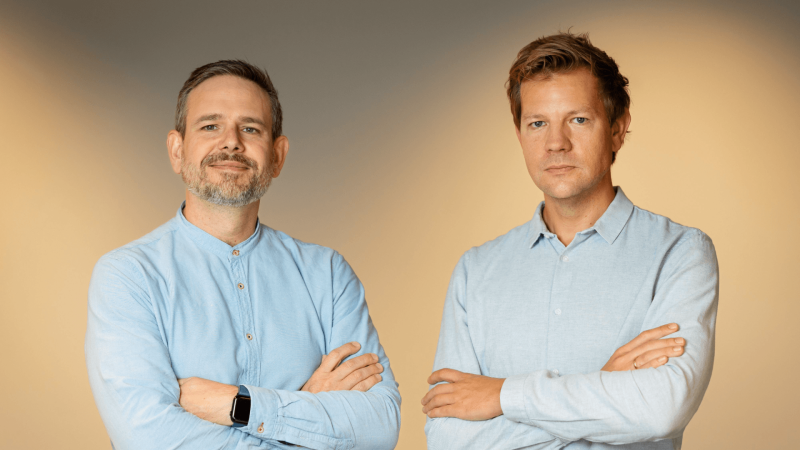
Founded by Christian Hoppe and James Barnes, Auxilius helps enterprises automate governance, risk and compliance processes. The platform converts company policies, risk and control frameworks, and regulatory requirements into deterministic code that continuously assesses risk coverage and executes controls.
The company aims to address the reliance on manual compliance processes, where organisations often collect evidence through spreadsheets, screenshots and sample-based audits.
By automating controls and evaluating entire datasets instead of selected samples, Auxilius enables continuous monitoring and assurance while helping businesses respond more quickly to regulatory and operational changes.
We’re building a new model for assurance: continuous, auditable, and aligned with the decisions C-level teams have to make under regulatory pressure. The gap we close is between what’s mission-critical for the business and what the underlying data can truly support with auditable evidence. That’s when a control stops documenting compliance and starts informing the decision,
said Christian Hoppe, CEO and co-founder of Auxilius.
The funding will be used to expand Auxilius’ engineering and domain teams and further develop its Control Intelligence knowledge graph, which enables automated controls to be deployed across multiple business processes and updated as regulations and operational requirements evolve.
The company says it is already working with its first paying enterprise customers, including European banks and industrial groups, where its platform is being used to expand control coverage while reducing manual effort.