

Chancellor Rachel Reeves’ second budget seen as undoing the damage of her first one.
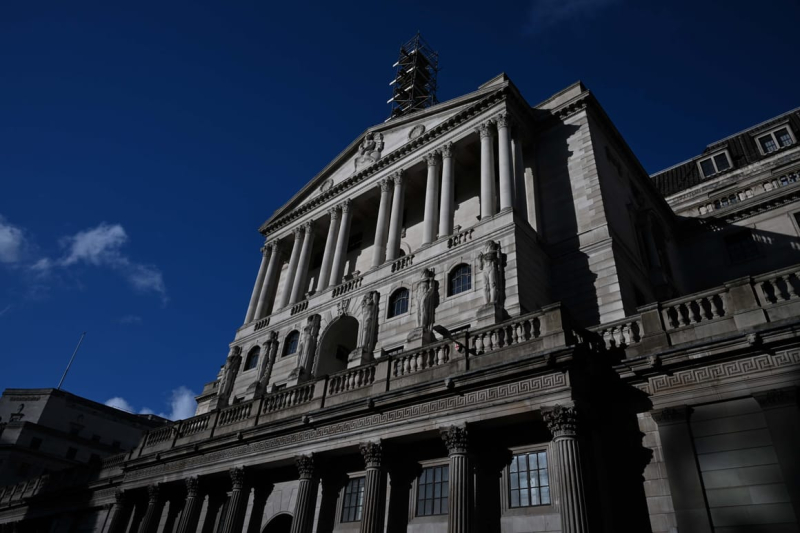
LONDON — The Bank of England left its key interest rate unchanged at 3.75 percent on Thursday but signaled it expects to cut again later this year, given rising confidence that inflation is beaten.
“All going well, there should be scope for some further reduction in Bank Rate this year,” Governor Andrew Bailey said in a statement.
The Monetary Policy Committee voted 5-4 to hold, with Swati Dhingra, Alan Taylor and deputy governors Sarah Breeden and Dave Ramsden all voting for a quarter-point cut.
The pound and U.K. government bond yields all fell in response to the news, as financial markets raised their bets on further policy easing. By 12.30 p.m. in London, Sterling was down by 0.7 percent against the dollar at $1.3570. The two-year gilt yield, which closely tracks expectations for the Bank Rate, was down 0.09 percent at 3.63 percent, its lowest in nearly a month.
As a result of Chancellor Rachel Reeves’ budget, the Bank now expects headline inflation to fall to 2 percent by spring, much earlier than previously expected. However, it also cut its growth forecast for the U.K. economy this year to 0.9 percent, from 1.2 percent at its last round of forecasts in November.
Reeves decided last November to remove various green levies from household energy bills as of April, and also froze fuel duty and rail fares. The Bank estimated that will take 0.4 percentage points off inflation this year, reducing the need for big wage increases. The rate of wage growth has consistently outstripped what the Bank considers consistent with 2 percent inflation in recent years, but surveys suggest it will slow to below 4 percent this year as unemployment rises.
Reeves’ second budget was in many ways the reverse of her first in 2024, when she raised employers’ National Insurance contributions, the National Living Wage and various administered prices. Companies responded by passing the higher costs on to consumers, briefly driving inflation back up above 4 percent.