
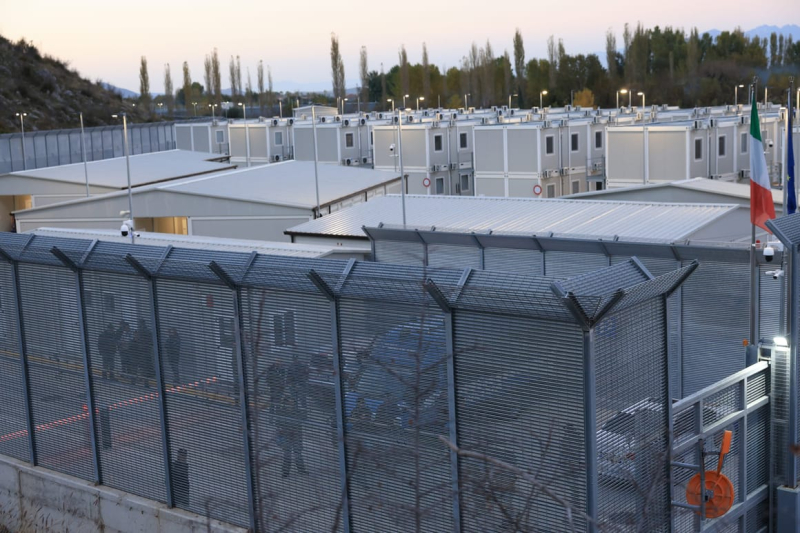

Incoming deal will give fresh “impetus” to countries’ plans, Cypriot minister says.
BRUSSELS — EU plans to send failed asylum seekers to deportation hubs outside the bloc look set to gain momentum, as national capitals are poised to back new rules on migrant returns.
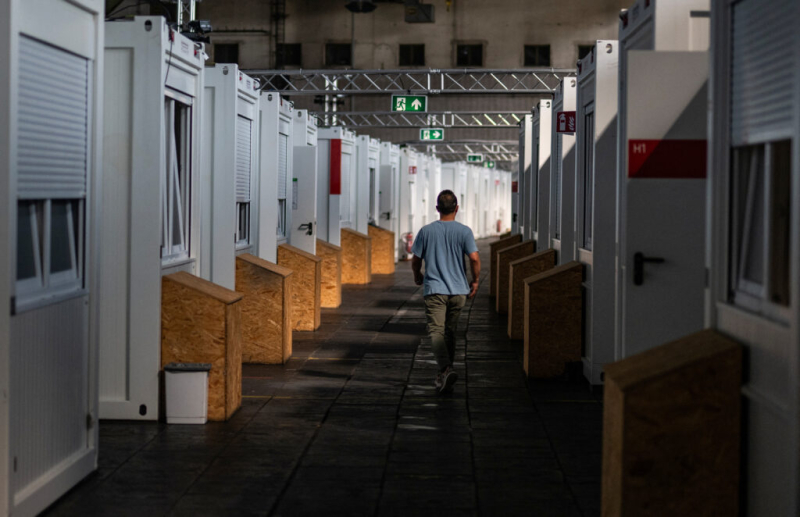
Ambassadors are expected on Wednesday to approve rules allowing individuals who have been ordered to leave EU territory to be sent to “return hubs” outside the bloc — an option several EU countries are already exploring, but which civil society groups warn could open the door to abuse and human rights violations. The ambassadors’ sign-off comes ahead of a broad package of migration reforms that will apply from Friday.
Some countries have already started work on return hubs, with Italy having a deal in place with Albania (albeit one mired in legal problems), and other countries holding regular meetings on setting up deportation centers of their own.
The incoming EU deal will “give impetus” to those plans, Cyprus’ Migration Minister Nicholas Ioannides told reporters in the run-up to a meeting of justice and home affairs ministers last week, saying that he expects more countries, including his own, to start discussing the topic.
“Now that we’ve got the legal basis, we believe that we’ll get some flesh on the bones in the coming months,” he added.
Ioannides said the “general idea” is to set up return hubs “maybe in Africa or Asia” but “not close to European borders.”
Germany, the Netherlands, Denmark, Austria and Greece have had regular discussions on return hubs, with Germany and the Netherlands saying they will have plans in place by the end of the year.
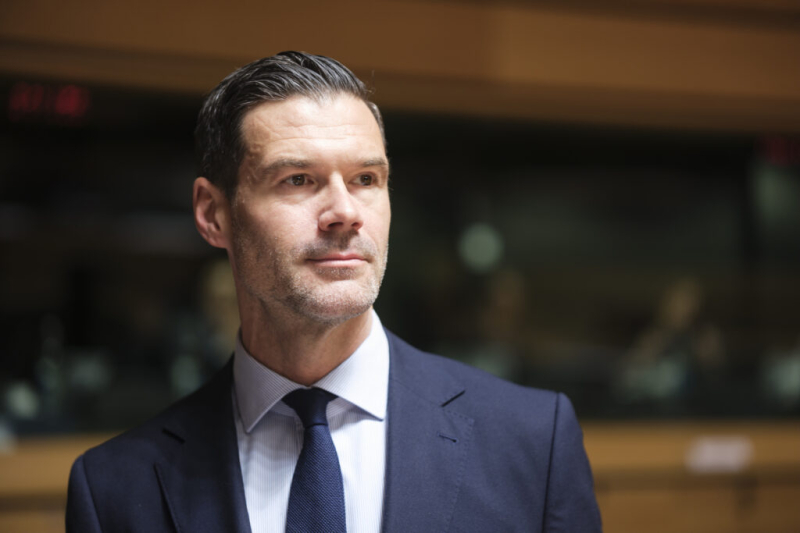
Nordic countries are also looking into setting up a pilot scheme, Sweden’s Minister of Migration Johan Forssell told POLITICO. One idea would be to use the deportation hubs for “one specific nationality,” he said.
There hasn’t been a decision on which nationality that would be, but “we are more or less facing the same kind of problems when it comes to specific countries,” said Forssell. He mentioned Syria, Afghanistan and Somalia as examples of countries to which the Nordic states — and the EU as a whole — struggle to return people.
The Swedish minister said he would have supported a European Commission-led pilot project, “but they also stated very clearly that they’re not really interested in doing that.”
The incoming EU rules allow countries to strike their own deals on return hubs. The text that ambassadors will approve on Wednesday says agreements can only be struck with non-EU countries that uphold human rights and international law principles, such as the obligation not to put people in danger. The Commission and other EU countries have to be informed before the hubs start operating.
Ioannides said the protection of human rights will be a “yardstick” for the agreements, and the EU wants international organizations such as the International Organization for Migration and the U.N. refugee agency to help make sure the rules are upheld.
“The question is: What do these safeguards mean in practice, and who will enforce them?” asked Olivia Sundberg, EU advocate on migration and asylum for Amnesty International.
She said the returns deal “leaves a lot of open questions about what return hubs may look like in practice,” including whether they will be a point of transit or a long-term destination, whether being sent to a hub would amount to detention, and who will be sent there.
The “out-of-sight, out-of-mind element of return hubs” risks restricting transparency, monitoring and accountability, as well as access to legal advice, she added.
“I’m doubtful that the Commission would exercise meaningful scrutiny and tell any one member state not to go ahead with whatever return hub plans they have in mind,” said Sundberg.
Spain’s Interior Minister Fernando Grande-Marlaska, who is opposed to the returns deal, said at last week’s meeting that he was worried return hubs would be built “without safeguards” for people’s rights, “to the point that a family with children could be returned to countries with which they have no ties.”
Luxembourg’s Minister of Home Affairs Léon Gloden said his country would object to sending women and children to return hubs, despite backing the centers being set up.
The rules still need to be approved by the European Parliament and get final sign-off from national ministers.