

A row over gas shipments prevented a deal late Wednesday evening, with talks set to resume just as envoys prepare to leave for the summer.
BRUSSELS — EU countries failed to reach a deal on sweeping new sanctions against Russia on Wednesday night, after Greece blocked the measures to protect its fuel shipping industry.
Wednesday’s talks, which wrapped after 7.30 pm, were just the latest in a series of efforts to secure the unanimous agreement needed on the slew of energy and trade measures designed to drain Moscow’s war chest. The package was presented in June, but discussions over the details have dragged on, despite significant parts — like a ban on Russian seafood imports and visa restrictions for its soldiers — being watered down in the process.
Athens has dug in its heels over a proposed ban on EU companies shipping Russian gas to consumers outside the EU, arguing it goes beyond what leaders had previously agreed and that practice would continue anyway with vessels just re-registering abroad.
Ambassadors will hold an extra round of negotiations on Thursday morning in a bid to save the package, an EU diplomat confirmed.
Ireland, which holds the rotating Presidency of the Council of the EU, on Wednesday proposed allowing European gas tankers to export Russian liquefied natural gas to third countries until January 2029. The proposal, seen by POLITICO, capped Russian exports and also banned new contracts.
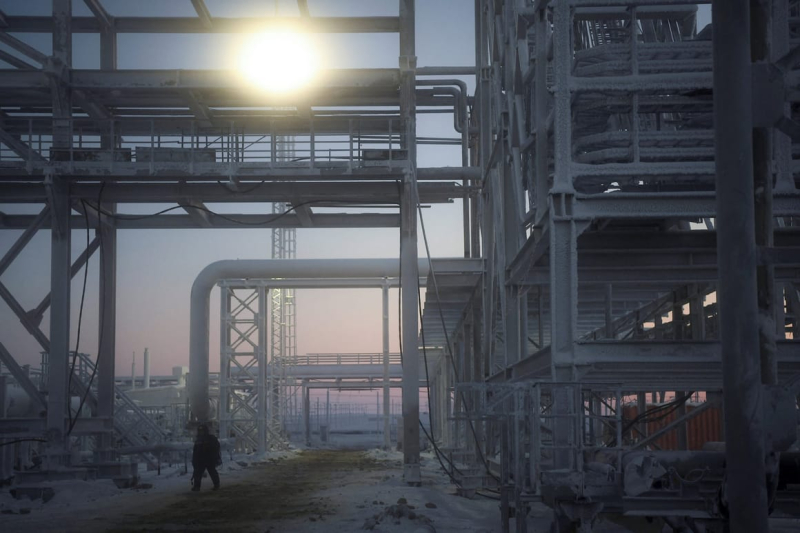
But the Greek government has so far refused the compromise and instead wants an indefinite exception, said three EU diplomats involved in the discussions, granted anonymity to talk about the sensitive negotiations. Greece’s Dynagas shipping company is one of the few that operates ice-ready ships that can reach Russia’s LNG terminal on the Arctic Ocean. If the EU were to ban its companies from exporting Russian gas, the Greek government argues the ships will simply register elsewhere, reducing EU oversight.
Greece’s merchant shipping fleet of more than 5,000 vessels carries around a fifth of the world’s cargo by weight, more than any other country. It has the world’s largest LNG fleet by capacity.
The delay also means the ceiling the EU maintains on Russian oil purchases will need to be extended again for a short period. Moscow’s crude is only allowed to be sold at a fraction of the market rate, but rising energy prices as a result of the war in the Middle East would see the $44.10-per-barrel limit recalculated and the Kremlin receive a windfall profit.
Because sanctions require unanimity among the EU’s 27 capitals, national governments can put a price on their consent by seeking other concessions. Former Hungarian Prime Minister Viktor Orbán, for example, was a notorious blocker of such support for Ukraine, although EU leaders hope Budapest will prove less obstructive under his successor, Péter Magyar.
The initial proposal for the sanctions package — the 21st since Russia launched its full-scale invasion of Ukraine — included restrictions on travel for former fighters of the Russian armed forces, sanctioning dozens more banks and preventing another 250 individuals from entering the bloc.
The delay pushes discussions down to the wire and past the anticipated cut-off for legislative business, with Wednesday having originally been the final ambassadors’ meeting until after the August summer holidays. The evening session also saw envoys attend a farewell dinner for colleagues changing posts before they reconvene in September following the break.