

The former prime minister called the internet personality’s criticism of France “a reflection of his hatred for a nation where women will always be free and proud.”
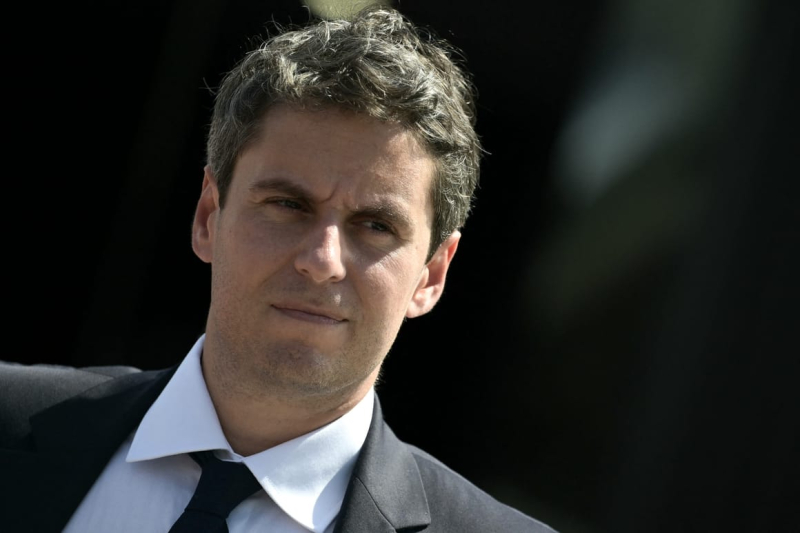
French presidential candidate Gabriel Attal has entered the world of “mog” politics, responding late on Wednesday to controversial internet personality Clavicular’s criticism of the French as “terrible people to be around.”
Clavicular, a 20-year-old livestreamer whose real name is Braden Peters, visited France this week to model at Paris Fashion Week, and was widely derided after his livestreamed attempts to flirt with women fell flat.
“His criticism of our country is actually a reflection of his hatred for a nation where women will always be free and proud,” posted Attal on X.
Peters is popular online for “looksmaxxing” — a self-improvement trend popular in the manosphere. “Looksmaxxers” like Peters are known for their extensive use of anabolic steroids, peptides, cosmetic surgery and the word “mogging,” which means outclassing someone in attractiveness. Peters has previously drawn criticism for his use of racial and homophobic slurs, misogynistic comments and association with antisemitic internet figures. He says he is apolitical.
“Was he hoping that French women would come along to feed his narcissism and his masculinist ego trip? He got thoroughly shut down,” wrote Attal.
The centrist presidential candidate, who is of Jewish and Russian Orthodox heritage and is openly gay, became France’s youngest prime minister in 2024 and has embraced social media more than most French politicians, including on the streaming website Twitch.
During his French visit, Peters said Americans were more attractive because Europe’s “gene pool was devastated during WW2.”
“No AC, terrible economy, horrible quality of living. Id [sic] be pissed too,” he said of France on Tuesday. “I’m happy to provide the value that I do with my knowledge, but it seems the French do not share that same sentiment.”
Attal’s post came as the French Senate published a report on looksmaxxing on Wednesday that concluded such influencers are undermining France’s democratic system.
“Clavicular and other influencers, by publishing content presented (for example) as coaching, adopt a narrative that aims to undermine gender equality,” the report’s authors said at a news conference.
They suggested the European Digital Services Act include the masculinist content as a “systemic risk” that social media platforms must moderate to protect their users.
This story has been updated.
Klara Durand contributed to this report from Paris.