
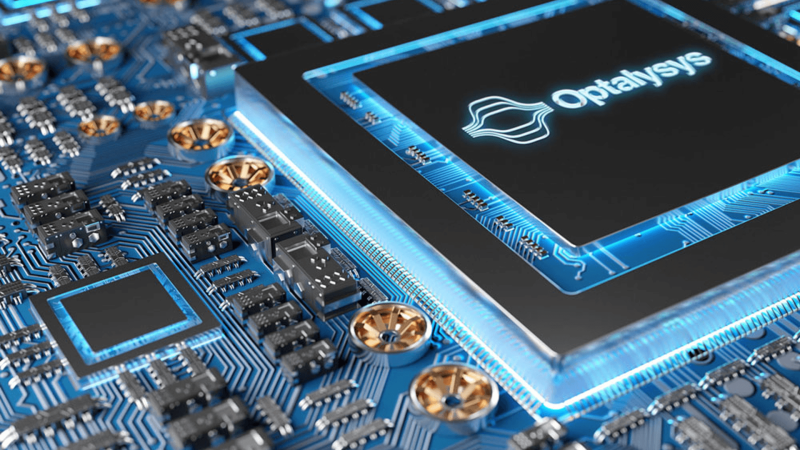

Optalysys is advancing photonic computing to support next-generation cloud infrastructure, focusing on high-performance, energy-efficient processing for AI and secure workloads while expanding its technology and global presence.
Leeds-based photonic computing company Optalysys has raised £23 million in a Series A extension round led by Northern Gritstone, with participation from imec.xpand, Lingotto Horizon, and the UK government’s National Security Strategic Investment Fund (NSSIF).
Optalysys is developing a photonic computing approach that integrates data movement and processing on a single chip, combining silicon photonics with digital technologies to increase computational capacity while improving energy efficiency.
The company is building a programmable, high-density computing layer designed to support compute-intensive workloads, including generative AI and post-quantum algorithms, as part of next-generation cloud infrastructure. A key application is fully homomorphic encryption, which enables data to be processed while remaining encrypted and is increasingly relevant for secure cloud and enterprise environments.
Early implementations of this technology are deployed in Optalysys’ LightLocker™ Node servers, which are designed to support encrypted blockchain applications.
According to Dr Nick New, CEO and co-founder of Optalysys, photonic computing represents a major shift in the evolution of computing by enabling data to be moved and processed with significantly greater speed and efficiency. He added that the investment reflects the scale of the opportunity and supports the company’s ambition to bring photonic computing closer to mainstream adoption in cloud infrastructure.
To support this next phase, the company will use the funding to accelerate the commercialisation of its proprietary photonic chips and further develop its programmable computing technology for AI, cloud, and security applications.
In parallel, Optalysys plans to expand into the US, establishing a presence within the country’s photonics and semiconductor ecosystem to support wider market adoption.