

Sofia is battling to fend off meddling, as the country heads into yet another vote.
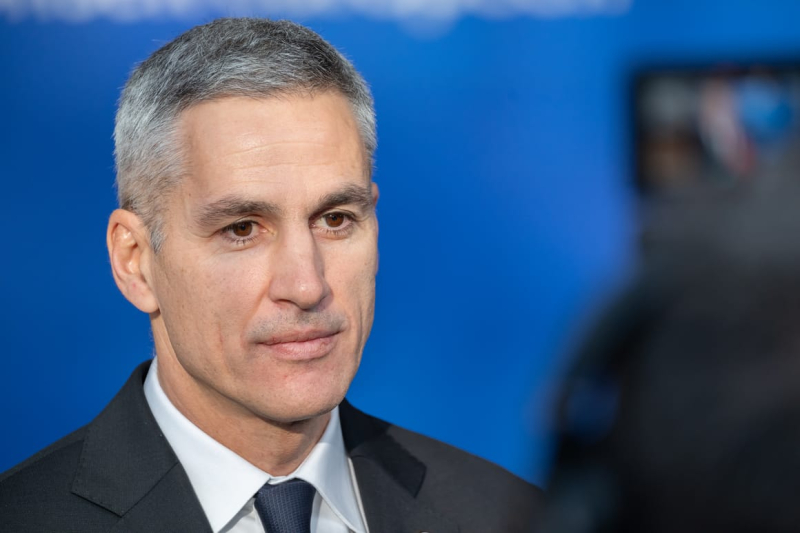
Bulgaria’s Prime Minister Andrey Gurov is promising tougher action against vote-buying and election manipulation as the country heads into its eighth parliamentary election in five years.
The vote follows mass protests in December over accusations of entrenched government corruption and backsliding on the rule of law that toppled the center-right GERB-led coalition. Gurov, a deputy governor for the central bank and member of the anti-corruption party Continuing the Change, was appointed interim prime minister on Feb. 11.
“What we want to do as a government is, for the first time, protect the elections rather than manage them,” he said in an interview with POLITICO, referring to his neutral position in the vote. “People can see that these elections are being protected.”
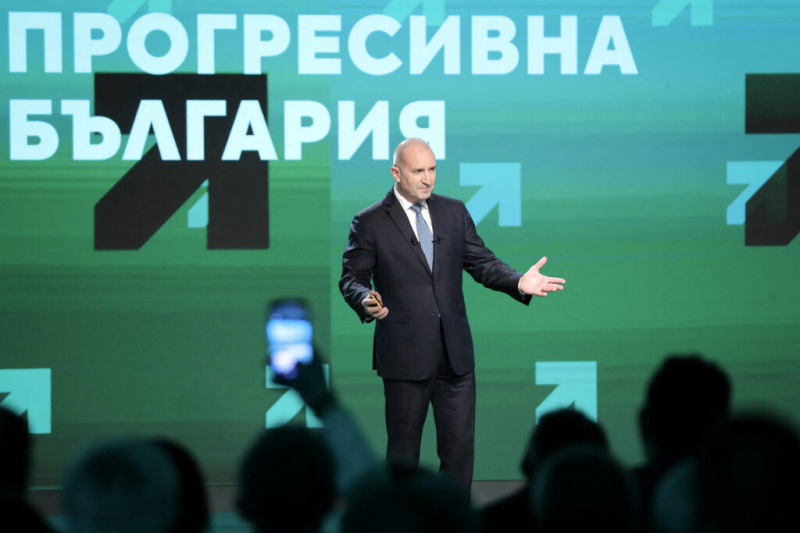
The government is bracing for election meddling ahead of its parliamentary vote on April 19. Left-leaning former President Rumen Radev’s newly formed party Progressive Bulgaria is leading in the polls against veteran center-right leader Boyko Borissov.
In recent weeks, authorities have detained more than 200 people as part of a nationwide crackdown on vote-buying and coercion, including through social support programs like heating assistance and hot lunches for vulnerable people. In some cases, local officials including postal chiefs, have misinformed voters that state-provided benefits were coming from specific political parties. A Russian national was also caught committing voter fraud in Stara Zagora, central Bulgaria, through the local election committee, according to Gurov.
“Instead of manipulating the votes of individuals …[or] buying one vote they can with one action buy a thousand votes,” said Gurov.
BULGARIA NATIONAL PARLIAMENT POLL OF POLLS
All 3 Years 2 Years 1 Year 6 Months Smooth Kalman
For more polling data from across Europe visit POLITICO Poll of Polls.
Separately, Sofia’s foreign ministry set up a temporary unit in March to coordinate its response to foreign interference, and tapped investigative journalist Christo Grozev, known for his previous work at online investigations group Bellingcat, to advise the unit, as well as asking the EU for help to fight off interference from Russia.
Cycle of instability
The repeated elections point to a deeper structural problem for Bulgaria: a collapse in trust in the political system.
According to the prime minister, successive coalition governments have focused more on maintaining power than delivering reform on the very issues that the population protested about.
The decade-long, right-wing dominance of Borissov’s GERB collapsed in 2021 leading to a succession of unstable coalition governments, beginning with an anti-corruption reformist government and caretaker administrations — before GERB eventually returned to power in 2025, only to be toppled again by street protests.
“These coalitions are compromises aimed at exercising power rather than reforming the system,” Gurov said. “That benefits a few within political circles, not society as a whole.”
Until those underlying grievances are addressed, he warned, Bulgaria risks remaining trapped in a cycle of political instability and voter disengagement.
But despite the turbulence, Gurov insisted Bulgaria remains a reliable partner within Western alliances, like NATO, and a strategic player in the Black Sea’s security landscape.
The country honored its commitment to Ukraine when Gurov signed a 10-year security and defense agreement on Mar. 30, much to the dismay of populist parties that argued an interim government had no right to lock the country into such a pact.
“We cannot wait for the ‘right moment’ when it comes to security,” Gurov said. The partnership with Kyiv, he added, offers Bulgaria opportunities to develop high-tech defense and dual-use capabilities for its own military.
The government is also seeking to distance itself from decisions it views as politically driven — including U.S. President Donald Trump’s Board of Peace, which Gurov pulled the country out of.
He argued that the move, made by the previous government, served the narrow political interests of Delyan Peevski, leader of the Movement for Rights and Freedoms — New Beginning party, who is seeking removal from U.S. Magnitsky Act sanctions imposed over allegations of bribery, media manipulation and undue influence over the judiciary.
“We don’t believe foreign policy should be guided by such interests,” he said.