
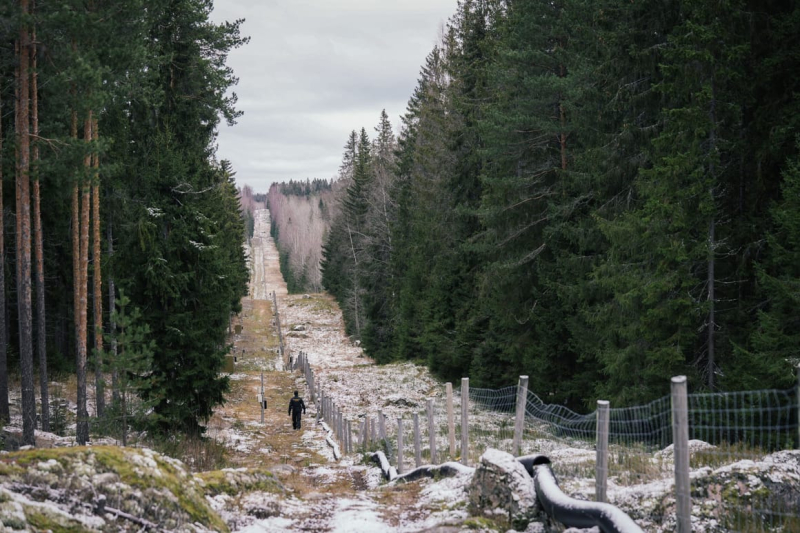

European Commission wants to pour money into border areas, but there won’t be any new funds from the EU’s current budget.
BRUSSELS — The European Commission will on Wednesday announce plans to invest in EU regions bordering Russia, Belarus and Ukraine that are suffering economically because of the war.
Dwindling investments, reduced cargo traffic and a decline in tourism have delivered an economic blow to the EU’s easternmost regions, chiefly affecting the Baltic countries, Finland and Poland. The Commission’s strategy attempts to give an incentive to international financial institutions to provide funding to those areas — but falls short of putting new money on the table.
“The safest borders are not just controlled, they’re alive,” said Niina Ratilainen, a member of the Finnish city council of Turku and the European Committee of the Regions’ Working Group on Ukraine. “Investing in jobs, clean energy and education in EU border regions sets the foundation of real security.”
The EU is concerned that if these easternmost regions depopulate, Europe’s ability to defend the border is compromised, said a Commission official granted anonymity to speak freely. Brussels is also worried that the economic woes suffered by those living in the regions could see them turn to fringe parties in elections and make them vulnerable to Russian propaganda.
Władysław Ortyl, the governor of the Polish region of Podkarpackie, noted that his area is “directly affected by the consequences of the ongoing war, including migratory pressure, transport disruptions and increased strain on public services and the regional economy.” He added that “escalating geopolitical tensions” mean the EU should reallocate resources toward “strengthening resilience” of its border areas.
A priority of the plan is to revitalize border areas that are economically depressed as a result of the Russian invasion, whether because of a lack of tourism or due to the dangers associated with living near the Ukrainian border.
“Europe’s security begins at its Eastern frontier,” the Commission wrote in a draft of the plan, officially called the Communication on Eastern Border Regions, which was seen by POLITICO. “A strong, prosperous, and resilient Eastern border is essential to safeguard the entire continent.”
Yet the strategy to be presented by Executive Vice President for Cohesion Raffaele Fitto contains no new money as the EU’s current budget, which expires in 2028, is overstretched, said two Commission officials.
“What we need is direct access to EU funding and a strategy that reflects today’s realities on the ground,” said Milan Majerský, governor of the Prešov self-governing region in Slovakia. “In Eastern Slovakia, we feel the economic, social and security impacts of Russia’s war every day. Our GDP per capita is just over 54 percent of the EU average, and the war has deepened long-standing structural gaps.” Majerský said he met with Fitto in Bratislava last week ahead of the plan’s unveiling.
Baltic countries have already set their sights on the EU’s next budget, which is currently being negotiated by member countries. They argue that the Commission’s plan will strengthen their demands to earmark money for the easternmost regions from 2028.
“We do expect our specificities to be reflected in the negotiations” on the next EU long-term budget, Lithuania’s Europe Minister Sigitas Mitkus told POLITICO. “This communication [on eastern border regions] will be a living document.”
Under Fitto’s plan, global financial institutions will be part of the “EastInvest platform,” which will immediately enter into force to “address investment needs” and provide financing aid to those regions, according to the document draft.
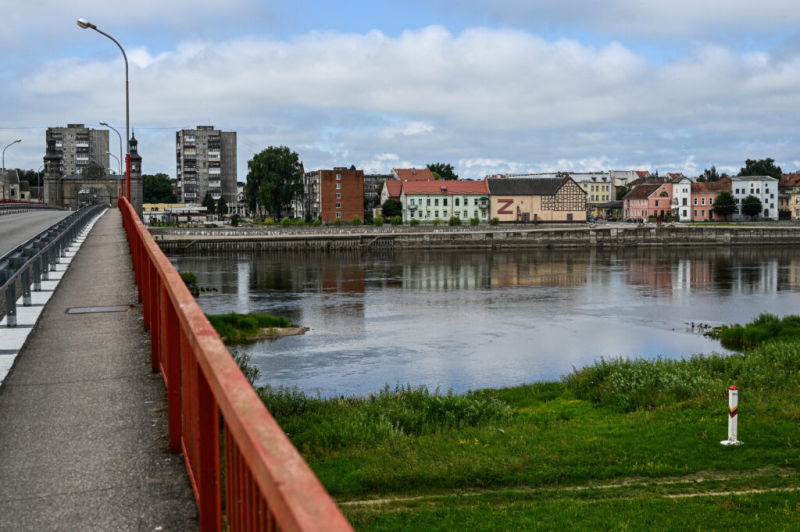
Brussels will allow countries bordering Russia and Belarus — Finland, Poland, Estonia, Latvia and Lithuania — to use part of their EU regional development funds to offer guarantees to the European Investment Bank, European Bank for Reconstruction and Development, Nordic Investment Bank and national promotional banks to invest in their easternmost regions, according to the document. The end goal is to offer cheap credit to businesses from regions that border Ukraine that would otherwise struggle to access funding.
The door is open for other EU countries bordering Ukraine — including Romania, Hungary and Slovakia — to join at a later stage, one Commission official said.
In a partial concession to Baltic countries, the Commission wrote that it will “explore the possibility of dedicated calls for EBRs (Eastern Border Regions) in the upcoming European Competitiveness Fund,” which is a €410 billion pot to support innovative EU businesses from 2028 onward. Such a change would be significant as the Commission previously dismissed calls to attach geographic criteria to the new fund.