

Contents
Populists on both the right and the left turned the prime minister’s unpopularity to their advantage.
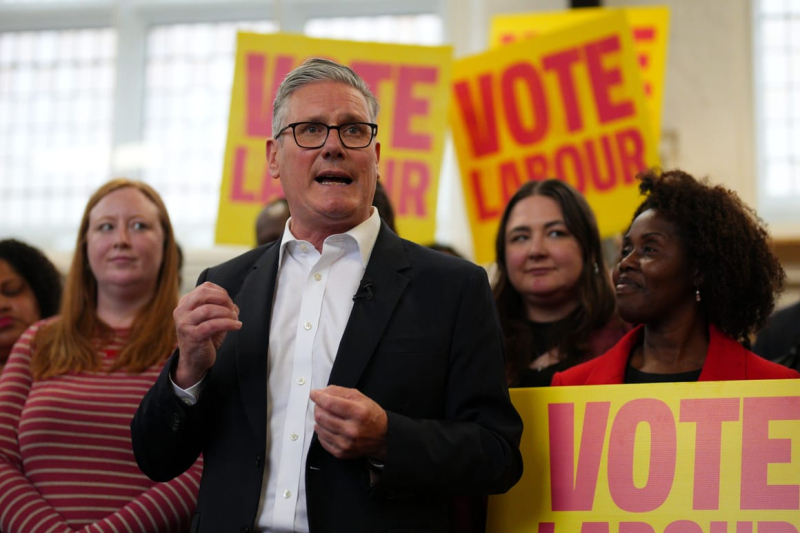
LONDON — Britain’s electoral map is being redrawn once again by Nigel Farage. His Reform UK insurgency is fracturing politics — and Keir Starmer is emerging the biggest loser of it all.
But even as the right prospers, left-wing populists in the Green Party are also making big gains off the back of the prime minister’s unpopularity.
All in all, a chaotic picture is being painted as votes are counted in elections for a swathe of English councils as well as devolved parliaments in Scotland and Wales. Here are the five key takeaways from Thursday’s elections.
1. Fragmentation across the board
The one thing Labour knows is that it’s hemorrhaging popularity. But what nobody will agree on is the remedy.
That’s because Starmer is losing votes in every direction. In Brexit-voting regions Reform has been the benefactor. But in progressive urban hubs the Greens have made gains. And in some cities the mix is even more complex.
Just look at the north-east English Newcastle-upon-Tyne for one. Labour lost to Reform and the Greens in near equal numbers in every ward they contested.
Not only will that pincer effect lead to Labour infighting about how to restore their chances, it will add to a sense of disorientation for the electorate.
2. Labour has no heartlands
Wales has been red for more than 100 years. Now Labour’s on course for near wipeout there, as the left-wing Welsh nationalists in Plaid Cymru and Reform sweep the board. It was so bad in Wales that Eluned Morgan, the Labour leader there and the serving first minister, didn’t even win her seat.
The “red wall” that formed Labour’s core in northern England and the Midlands is plumping for Farage’s party. Scotland has refused to return, instead extending 19 years of Scottish National Party rule.
Then there are major inroads for the rejuvenated left-wing Greens in London, where they have already won the mayoralties in Hackney and Lewisham and are on course for big gains in councillors.
If Labour could be sure of anything in recent decades, it was that progressives in the capital would vote for them. That is no longer the case.
3. Even Labour bigshots stare down barrel of defeat
To judge how bad the elections are for the party in charge, just look at which MPs have just seen their local councillors ousted en masse.
Chancellor Rachel Reeves has seen Labour lose control of Leeds. In Wigan, Culture Secretary Lisa Nandy watched all 22 seats Labour was defending go to Reform. Farage’s party also won Sunderland, which is Education Secretary Bridget Phillipson’s back yard.
Keir Starmer’s Camden constituency was narrowly held by Labour — but his party shed swathes of support to the Greens and Liberal Democrats.
Then potential leadership challenger Angela Rayner will also be uncertain of her prospects in a general election. Reform won 18 of 19 seats available in Tameside.
4. A trickle of calls for Starmer to go … but the dam hasn’t broken (yet)
As of Friday evening, more than 10 Labour MPs had either called for Starmer to either outright go, or demand his departure unless there’s urgent overhaul of the government.
Louise Haigh, the influential co-chair of the soft-left Tribune caucus, was first to make the veiled call for Starmer to go.
That was couched in the language of being necessary unless there is “significant and urgent change,” a phrasing echoed by Anneliese Midgley to POLITICO.
So far no ministers have publicly called for a change of leadership and with numbers being as low as they are right now Downing Street will be hoping this doesn’t represent the breaking of the dam.
5. Reform triumphs — but the Tories aren’t dead
For all of Reform’s successes and Nigel Farage’s cries of a “truly historic shift in British politics,” this was no runaway victory for his party.
Sky News’ extrapolation from the results to estimate national share actually projected Reform’s support as being down on last year.
Farage has long threatened to replace the Conservatives. But that hasn’t quite happened yet. Kemi Badenoch’s party — still the official opposition in the U.K. — won Westminster council from Labour, nudged the party out of control in Wandsworth and managed to hold onto the Fareham area represented by one of Farage’s most high-profile defectors from the Tories, Suella Braverman.
There’s no doubt that Farage is the big winner of the day, but his opponents shouldn’t believe all is lost.